Tuesday, September 6, 2011

Week of September 6th 2011

From the farmers…

I have often thought of September as the best time to be a farmer. A majority of the work is behind you, the constant pressure to plant and irrigate begins to subside, and the pleasant weather and cooler temps make for ideal working conditions…Most years anyways.
Our 1st place Red Onions at The Columbia County Fair

The week of sunshine after Hurricane Irene helped to dry things out, and begins the healing from all of the flooding caused by this historic weather event.

Just as we started to think about things other than flooding, these past 3-4 days of heavy rains have put us right back into crisis mode. Unfortunately, whatever mode we are in, there is nothing we can do about the weather…other than hope and pray that the current trends change

We spend most of our time trying to anticipate the problems we may have, and managing things accordingly.

With our superb hard working crew, our years of experience, and a beautiful farm that is full of prime soils and level fields, we often feel “in control.”
This feeling of control has been lost—with the dramatic flooding and continuing rain, I feel like the hardest part of all of this is letting go of the idea that we can control our destiny.
Based on the most recent radar images, we will receive much more rain in the coming 48 hours, and then have a respite in the form of 5 days with no forecasted rain. We can only hope that our dangerously full creek can drain just enough in the coming 12 hours before the next rain event swells it again. We will not know how bad things will be until later in the week.

Despite all of this hardship and strife, we are still happy to say the shares should remain full for the foreseeable future, and we have our fingers crossed that our fall crops which are predominately planted on our highest fields will make it through all of these rains, and be there for us in October and beyond.


Chris Leading AnneMae on Ice Cream at the Columbia County Fair
  Despite our own hardships, we know growers all around us who have lost everything—with no hope of any crops for the remainder of the year. Through no fault of their own, these competent and professional farmers have lost their entire years’ worth of work, and there is nothing that can be done about.
It is hard to imagine how that would feel, and our thoughts are with them.
We hope to be able to donate to these farms anything that we have in surplus, and will be reaching out to them in the coming days and weeks to offer our assistance.
In a good year, with plenty of sunshine and occasional rains, farming can seem to be an idyllic profession. We have often counted ourselves as lucky to have found a profession that we love so much, and gives us an opportunity to make a living off the land.
In the span of the last 4-5 weeks, this idyllic picture has been disturbed, and but not lost completely. We hope that these current challenges teach us things that will help us in the future (now we really know how high our creek can get!), and as the saying goes, that which does not kill you makes you stronger.
Thank you for all of your support, Chris


Tuesday, July 26, 2011

Recipes for The Farm at Miller’s Crossing, Week 8 – 2011

Carol Hargis, The Market Fresh Chef


Collards w/ Onion & Bacon Serves 8

2 lbs. COLLARDS, trim tough stems, chop fine stems & leaves coarse

1/2 tsp. RED PEPPER FLAKES, to taste

1/4 cup CIDER VINEGAR

1&1/4 cups BROTH

3 ONIONS (red or other), chop coarse

1/2 lb BACON, chop

2 Tbsp. BROWN SUGAR

In stockpot crisp bacon, save fat, drain bacon on paper towels. In same pot sauté onion in 3T baconfat til golden & soft. Move onion w/ slotted spoon to bowl. To same pot add broth, vinegar, sugar, red pepper flake, 1/2 the bacon, & stir til sugar dissolves. Add 1/2 the collards, toss til a bit wilted, add 1/2 the collards, & toss. Simmer covered 30min. Stir in onion, simmer covered 30m til very tender. Serve topped w/ remaining bacon.


Pasta w/ Basil Goat Cheese Sauce Serves 6

1 lb. BOWTIE PASTA

1 cup lightly packed BASIL

3/4 cup packed MINT

1/2 cup SPINACH, steamed & drained

1/2 cup PARMESAN

2 Tbsp. BUTTER, soft

2 GARLIC CLOVES, mince

1&1/4 tsp. SEA SALT

1/2 tsp. PEPPER

6-8oz. GOAT CHEESE

Cook pasta, drain & save 2T. cooking water. Put basil, cilantro, spinach, Parm, butter, garlic, s&p in processor & pulse smooth. Blend in cheese. Mix pasta, sauce & cooking water.


EZ Salad of Orzo & Squashes

Sauté ZUCCHINI, yellow SQUASH & SCALLIONS in OLIVE OIL until tender. Toss with cooked ORZO, PARSLEY, DILL, GOAT CHEESE, s&p.


Roast Beets & Carrots w/ Orange-Rosemary Vinaigrette

1/2 bunch BEETS

1 bunch small CARROTS

1/4 cup ORANGE JUICE

3 Tbsp. RICE VINEGAR

1 SHALLOT, minced

Leaves from 2 sprigs ROSEMARY, chopped fine

OLIVE OIL

Set oven to 375. Put beets in dish w/ a little water, cover & roast 45-60min. Cool slightly, peel, quarter. Toss carrot w/ oil, salt, roast 25-30m. Mix oj, vinegar, shallot, rosemary in saucepan, bring to boil. Simmer til reduced by half, add a dash salt. Cool slightly, whisk in oil to taste. Toss veggies w/ dressing, plate. Eat warm or room temp.

Week of July 26th 2011

 A shift in weather has everyone, farmers, animals, and plants, breathing a sigh of relief after a nice bit of rain, and some cooler temperatures, for a few days at least. 

What a cool spot!

Up to his knees

We made it through the worst of the weather with LOTS of irrigation, and lots of swimming in the creek!
 
Skipping Stones

Everything and everyone needs lots of water in that kind of heat—throughout that heat wave and dry spell, we felt like triage nurses attending to the worst patients in the fields.
 

<>
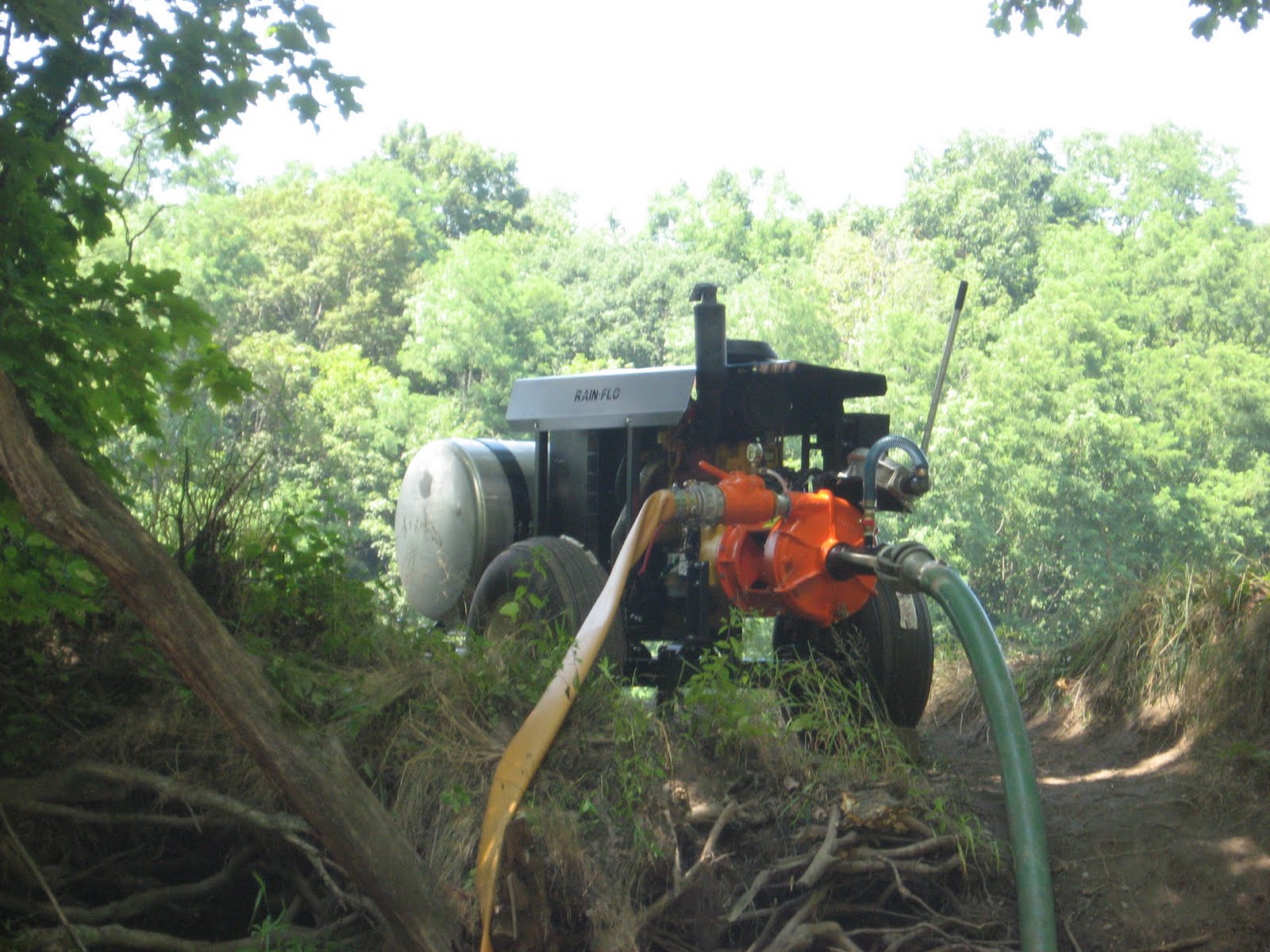
Our new pump finds its home streamside!

We finished weeding our wintersquashes this past week, and they look good. The heat really pushed them along, many flowers have been open and are pollinated, and there even a few varieties with large fruits, and some with lil’ labies!
Squash Hunters

Fields of Winter Squash refreshed after the rain!!

There is an acorn in there!
If our season were a race, we would actually be heading towards the final curve of the track.

Butternut sizing up nicely


Acorn...some is already green
Besides a few lettuce, napa, and broccoli transplanting, and a few more rounds or direct seeding in the field, our main mission at this point is to shepherd our 40 plus acres of plants into the final big growing stretch.

 
With lots of weeding and irrigating over the next few weeks we should be able to insure a bountiful fall harvest—but we are not there yet.


Enjoy, Chris


Tuesday, July 19, 2011

Recipes for The Farm at Miller’s Crossing, Week 7 – 2011

Carol Hargis, The Market Fresh Chef


Fusili w/ Arugula Pesto Serves 4

1 cup ARUGULA leaves

1 cup PARSLEY leaves

4 large SUN DRIED TOMATOES, soaked in oil

3/4 cup toasted PISTACHIOS

6 Tbsp. OLIVE OIL

4 Tbsp. finely grated PARMESAN

1 tsp. each SALT & PEPPER

1 lb. dry FUSILI PASTA (or another shape)

Boil pasta. Put arugula, parsley, tomato, nuts in processor & pulse to make a fine paste. Gradually add oil, Parm. s&p. Drain pasta, toss w/ pesto.


Garlic Herb Marinade 1 cup

1/2 cup Worcestershire

1/4 cup OLIVE OIL

1/4 cup apple cider VINEGAR

1/4 cup chopped BASIL or oregano

2 Tbsp. chopped GARLIC

1/4 tsp. SALT

Whisk all. Use with meats or vegetables as a marinade for 3 to 24 hours. Grill as desired.


Whole Wheat Zucchini Bars

1 cup SUGAR

3 EGGS

2/3 cup OLIVE OIL

2 cup whole wheat FLOUR

1/2 cup regular FLOUR

1 tsp. BAKING POWDER

1 tsp. CINNAMON

2 cups ZUCCHINI, grated

1/2 cup RAISINS &/or chopped NUTS

1 cup CONFECTIONER’S SUGAR

1/2 tsp. CREAM OF TARTAR

1 POWDERED EGG WHITE

2 Tbsp. WATER

1 Tbsp. LEMON JUICE

Mix sugar & eggs. Add oil, flours, baking powder, cinnamon & mix well. Stir in zucchini & raisins/nuts. Pour in 13x9" greased baking dish & bake at 350' 45 min. Let cool. Mix confectioner's, cream of tartar, egg white, water & lemon juice to make lemon icing (or use your own recipe for a lemon glaze). When bars cool, drizzle w/ icing. Cut & serve.


Creamy Ranch Dressing makes 1&1/2 cups

Whisk 3/4 cup MAYO & 1/2 cup BUTTERMILK. Stir in 2 Tbsp. chopped PARSLEY, 1 Tbsp. LEMON JUICE, 1/2 tsp. powdered MUSTARD, 1/4 tsp. DILL, 1/4 tsp. EACH S&P. Cover, chill 1hr. to overnight. Store refrigerated up to 5 days. Dip those lovely RADISHES & enjoy!

Week of July 18th 2011

Bringing in the harvest…….and keeping it cold!!!!!
We know summer is really here when the nights no longer offer relief from the heat, and it is now that we all benefit from the cooling system in our wash area.
Even in the early morning hours, the produce comes in hot from the fields. It is Eduardo’s job at this point to get it cool fast!


Eduardo King of the wash area
The water in the tank behind Eduardo (above) is cooled and held at 38 degrees. Dunking the greens into this cold water takes the field heat right out of the produce. From there it goes into our cooler and then into our refrigerated truck to you!!! Nutrient loss is significantly decreased by chilling produce quickly and maintaining that temperature until it is eaten.

The Cooler loaded with produce


This is what the Harvard Center for Health and the Global Environment has to say about post harvesting handling and local seasonal eating.

Our truck...ready to load


The Bottom Line

While all of the factors affecting nutritional quality of fruits and vegetables – crop variety, production method, post-harvest handling, storage, and processing and packaging – apply equally to produce that is produced locally or on farms across the country, relying on local sources for your produce needs has some distinct advantages. First, even when the highest post-harvest handling standards are met, foods grown far away that spend significant time on the road, and therefore have more time to loss nutrients before reaching the marketplace. Famers growing for a local (and especially a direct) market favor taste, nutrition and diversity over shipability when choosing varieties. Greater crop diversity from the farmer means greater nutritional diversity for the eater. Third, in direct and local marketing strategies, produce is usually sold within 24 hour after harvest, at its peak freshness and ripeness, making consuming them a more attractive prospect. Fourth, during this short time and distance, produce is likely handled by fewer people, decreasing potential for damage, and typically not harvested with industrial machinery. Minimizing transportation and processing can ensure maximum freshness and flavor, and nutrient retention.

This may seem like an overly simplistic explanation of why local fruits and vegetables are more healthful than those from our conventional long haul agricultural system. In the Northeast, diets based on foods available locally can be nutritionally adequate year-round. Concerns over nutritional adequacy usually arise because people are unaware of what is available. Fortunately, this guide can provide you with information regarding the delicious seasonal items of the Northeast and Mid-Atlantic, and how to prepare and store them.
Our salad spinner

Past this link in your browser for an easy printable 3 page list of produce and how to store it…it comes from California…so it list many vegetables and fruits that we do not get locally here in the northeast, but I thought it was helpful for those of you looking for more information.

http://www.mylifestylediet.com/Berkeley%20Farmers%20Market%20Tips%20for%20Storing%20Produce.pdf


The Bulk tank that keeps the water COLD!!!
Enjoy your local, fresh, chilled share!!!! Katie

Tuesday, July 12, 2011

Recipes for The Farm at Miller’s Crossing, Week 6 – 2011


Carol Hargis, The Market Fresh Chef


White Bean Soup Florentine

6 cups STOCK

2 cups WHITE BEANS, drained

1 sm. ZUCCHINI, sliced in half moons

1 ONION, diced

1 CARROT, julienned

1/2 tsp. each MARJORAM & BASIL

1/2 lb. SPINACH or other tender leafy greens, chopped

1/2 lb. spinach EGG NOODLES, cooked

1 tsp. LEMON JUICE

Put stock, beans, zucchini, onion, carrot, spices, s&p in soup pot, bring to gentle simmer. When vegetables are tender add greens, noodles, s&p, lemon.


Kohlrabi Parmesan Serves 4

3 Tbsp. BUTTER

4 small KOHLRABI (1lb), peel, coarsely shredded (3c

1 med red or green BELL PEPPER, chop (3/4c

1 med CARROT, coarse shred (1/2c

1/4 cup grated Parm or Romano CHEESE

1/2 tsp. THYME

Melt butter in skillet. Stir in kohlrabi, pepper, carrot. Sauté 4-5 min. til crisp-tender. Stir in 1/4 cheese, thyme, s&p. Serve w/ extra cheese sprinkled on top if you wish.


Radish Parsley Salad w Lemon Serves 2-3

Mix 10 RADISHES sliced 1/8”, 3 ribs CELERY sliced 1/8", 1 cup PARSLEY. Whisk 1 Tbsp. LEMON juice, 1/4 tsp. Kosher SALT, 2 Tbsp. OLIVE OIL. Toss all. Black PEPPER on top.


Spring Onion Soup Serves 6

1 Tbsp. OLIVE OIL EatingWell.com

2 lg. Vidalia ONIONS, sliced

2 cups chopped SPRING ONION (or leek; white, light green only)

2 Tbsp. chopped GARLIC

1 tsp. chopped THYME

1/4 cup SHERRY

1/2 tsp. PEPPER

3 14oz. cans beef BROTH

15oz. can CHICKPEAS, rinse, drain

1/4 cup minced CHIVE or scallion

6 slices whole wheat country BREAD

1 cup shredded Gruyère or fontina CHEESE

Heat oil in pan medhi. Add Vidalia, stir. Cover, set med, sauté soft, starting to brown 6-8m. Add spring onion, garlic, thyme, sauté til start soft 3-4. Stir in sherry, pepper; set to medhi, bring to simmer. Sauté til most liquid evaporates 1-2. Stir in broth, chickpea, bring boil. Set heat simmer, cook veggies tender 3. Remove from heat, stir in chive. Toast bread, put in soup bowls; top w/ 1/6th cheese. Ladle soup on. The chickpeas make it a hearty main.


Week of July 11th 2011

The Garlic is in!!!!

We save our own garlic from year to year for planting

 
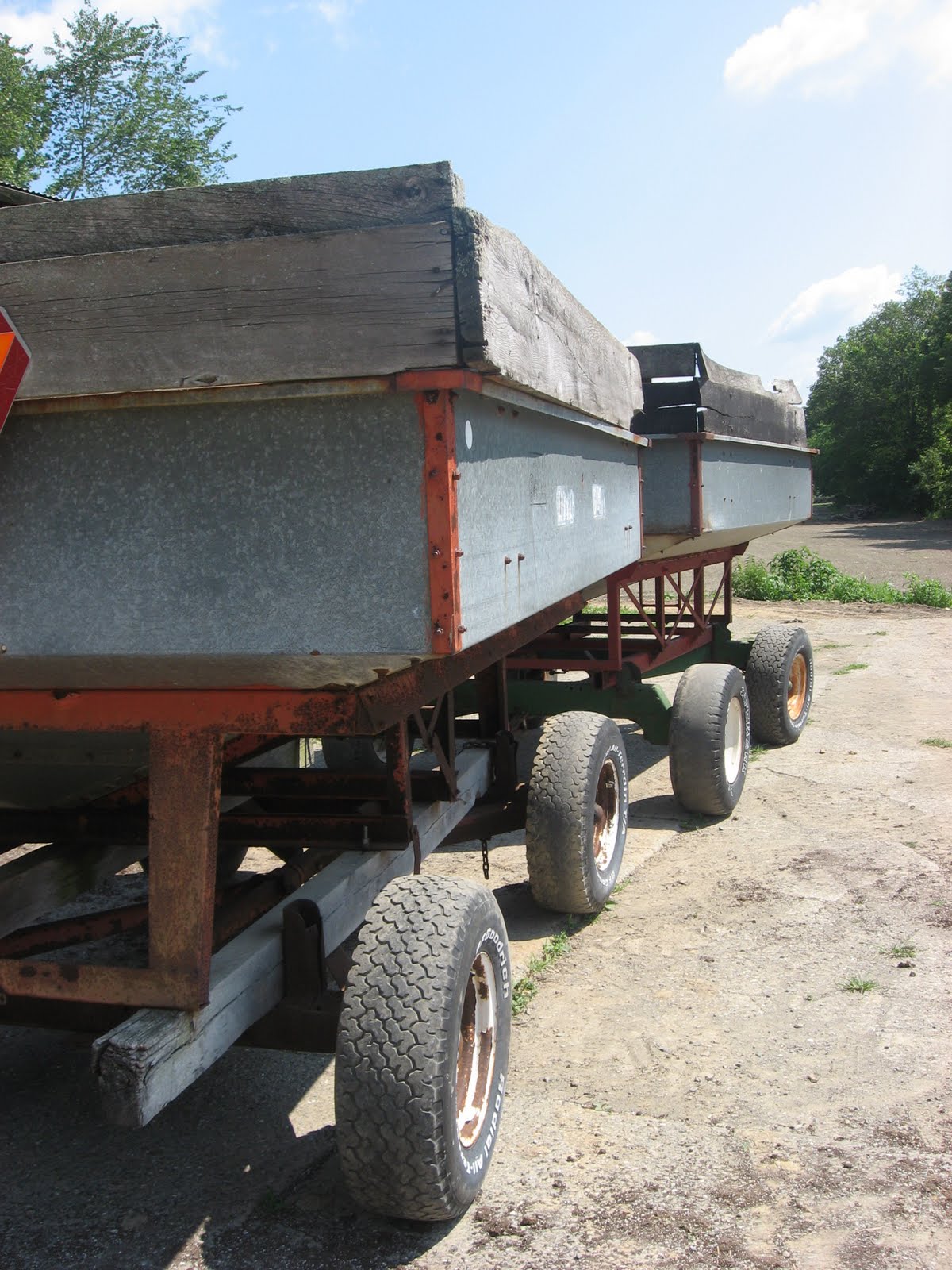
Sunday was garlic harvesting day! Four full trailers were loaded full of a beautiful crop.

 
The garlic is cured for many weeks on these trailers in our open air pole barn
The heads are not as large as last season, but they will be plentiful, as each year we plant a bit more for your seasoning pleasure.

 
You will notice how different this hardneck garlic is from the California supermarket type. There are no wasted small cloves in the middle, only large easy to peel cloves; between four and six of them.

The heavy workload is upon us….As the temperatures rise, and the rain becomes sparse, we are starting the heavy irrigation cycles that are typical of this time of year. Drip at night on the tomatoes, cucumbers, squashes, peppers and eggplants and overhead sprinklers in the mornings and evenings on all the other crops. Moving pipe and traveling reel type sprinklers takes up a lot of our time.
Though Connelly does not have to water all the fields like this, he was in charge of watering the yard garden!!!

 
The first irrigation catastrophe...the bearing went on this pump...again!
In addition to irrigation, lots of hoeing and hand weeding needs to take place. After the wet spring any weeds that were not killed through mechanical means (using tractor driven weeders) now need to be handled by hand.
Still life...Hoes, Seeder and Garlic

 
With their roots firmly in the ground, the weeds are now reaching for the sun…attempting to choke out the crops we need. So with hoes and knives and hands our valiant crew is out there getting what needs to be done accomplished


These are grain bins on wheels getting ready to be filled with Rye.

Enjoy the share,

Katie